Meet the Wolffsohn's Viscacha: Patagonia’s Little – and Little-Known – Climber
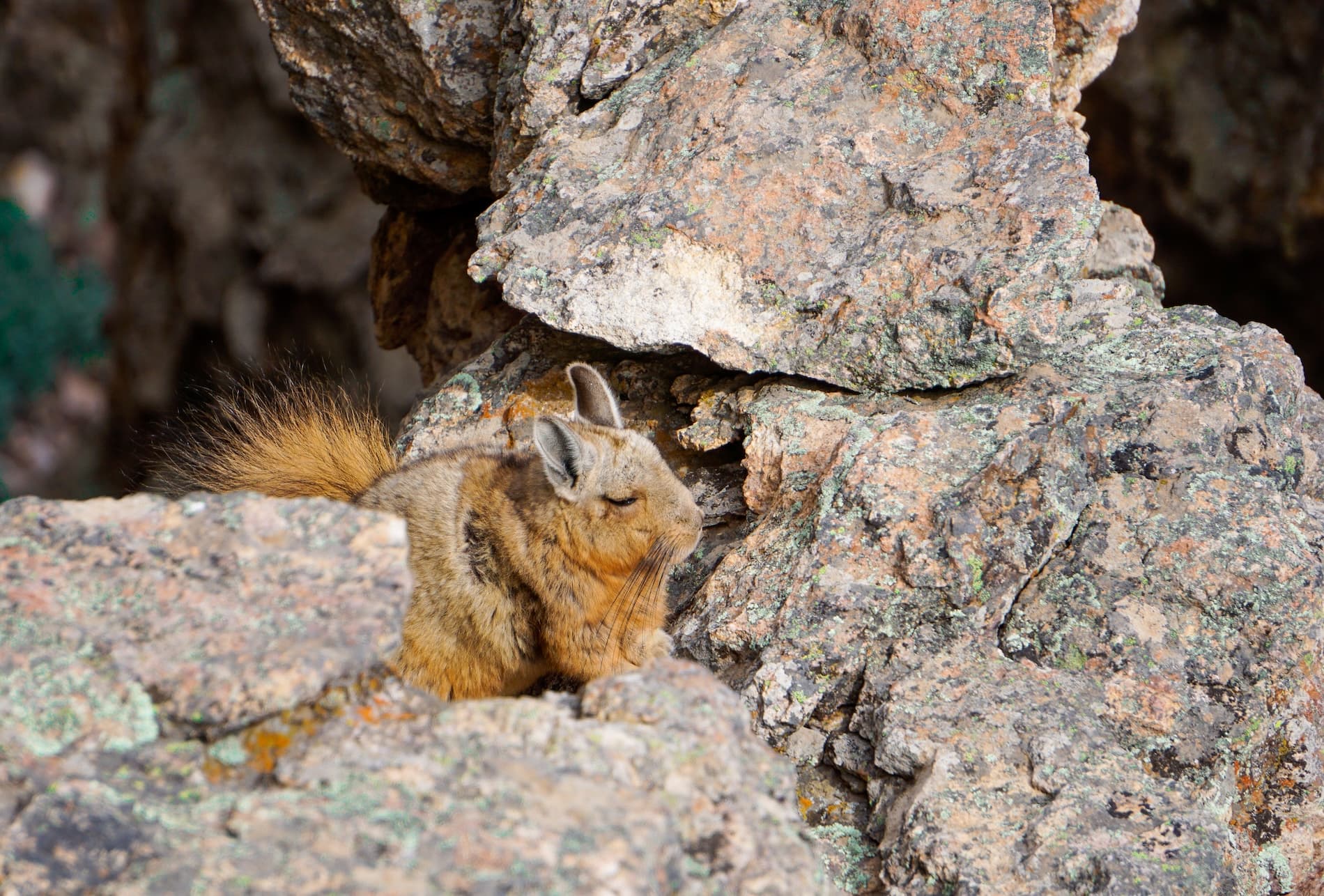
In the windswept steppe and mountainous landscapes of Patagonia, a little-known rodent darts among the rocks. Meet the Wolffsohn's viscacha (Lagidium wolffsohni) – also known as the chinchillón anaranjado.
A Look at the Wolffsohn's Viscacha
Though resembling a rabbit, the Wolffsohn's viscacha is actually a distant relative of the chinchilla. With its large ears, thick coat, and bushy tail, the creature is built for life in harsh terrain. Its gray-brown coat blends into the rocky outcrops it calls home, while its strong hind legs allow it to leap across cliffs and ledges.
Wolffsohn's viscacha are one of several species of viscacha, all of which live throughout South America from the grasslands of Bolivia, northern Argentina, and Paraguay to the Andes mountains of Peru, Chile, and Argentina. The species is named after J.A. Wolffsohn, who donated specimens to the British Museum in 1907, leading to its first official documentation.
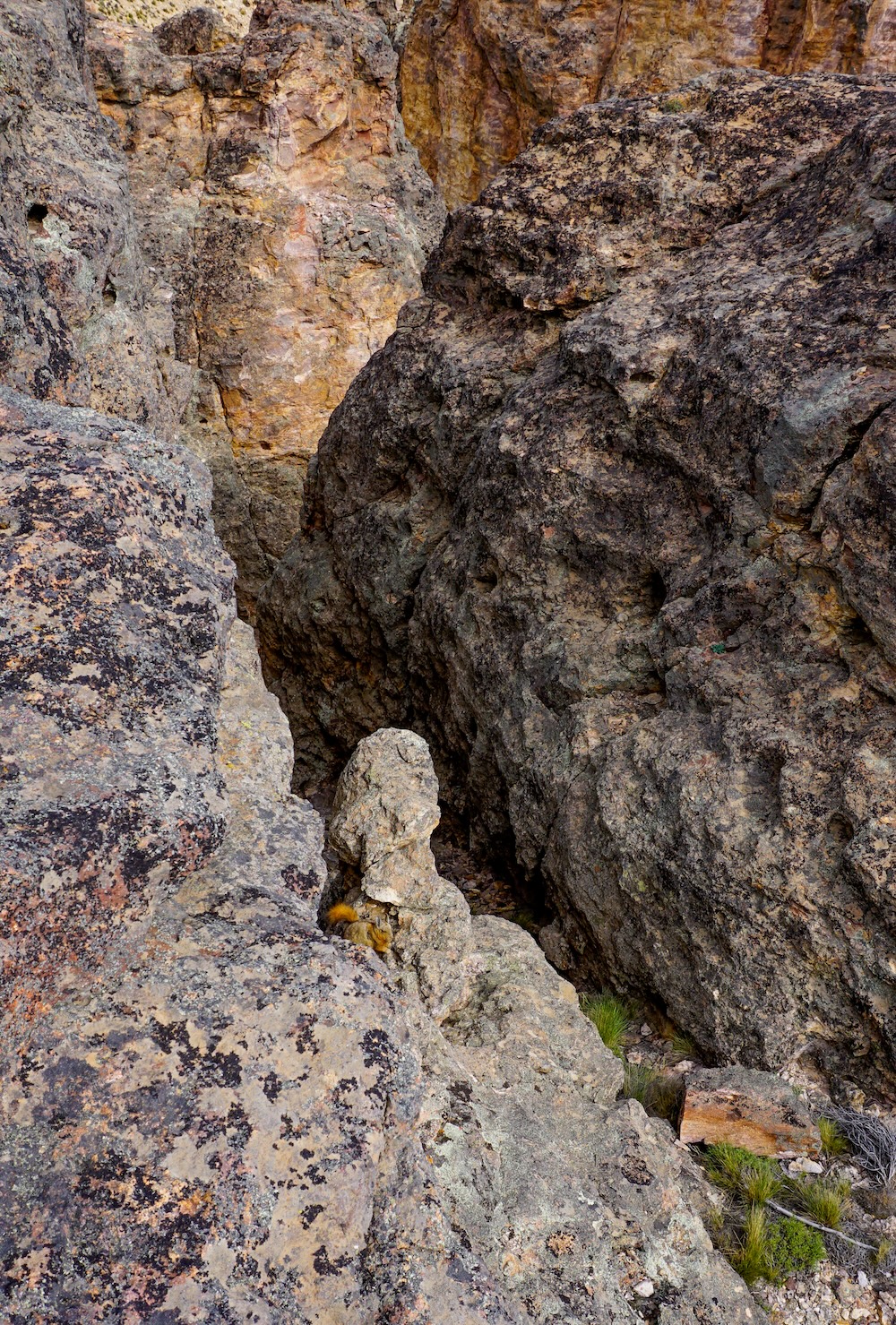
With its gray-brown coat, a Wolffsohn's viscacha camoflauges amongst the rockys cliffs and crevices of Patagonia Park
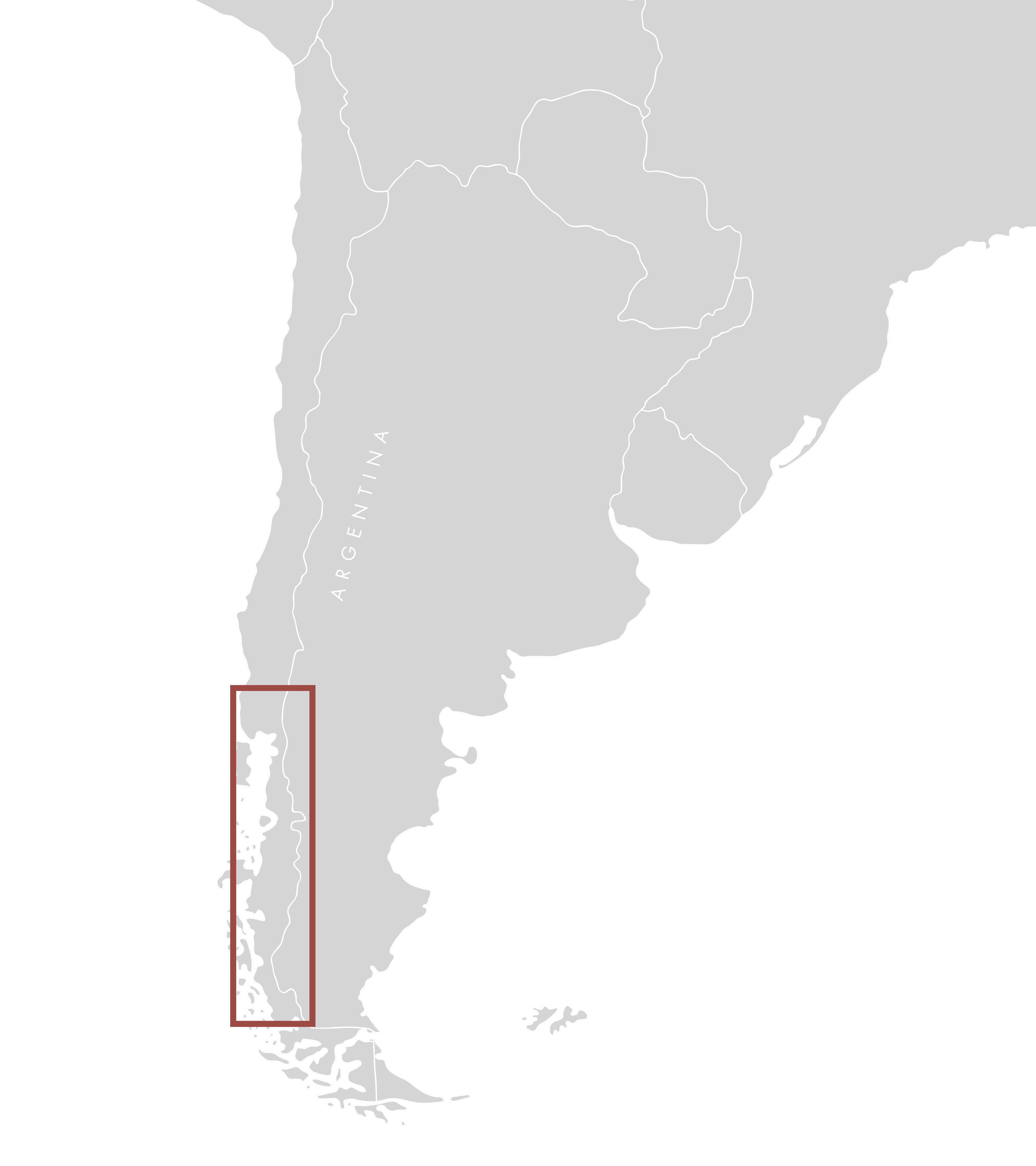
Endemic to the Patagonian region of Argentina and Chile, Wolffsohn's viscacha inhabit arid, mountainous landscapes
A Linchpin in the Patagonia Ecosystem
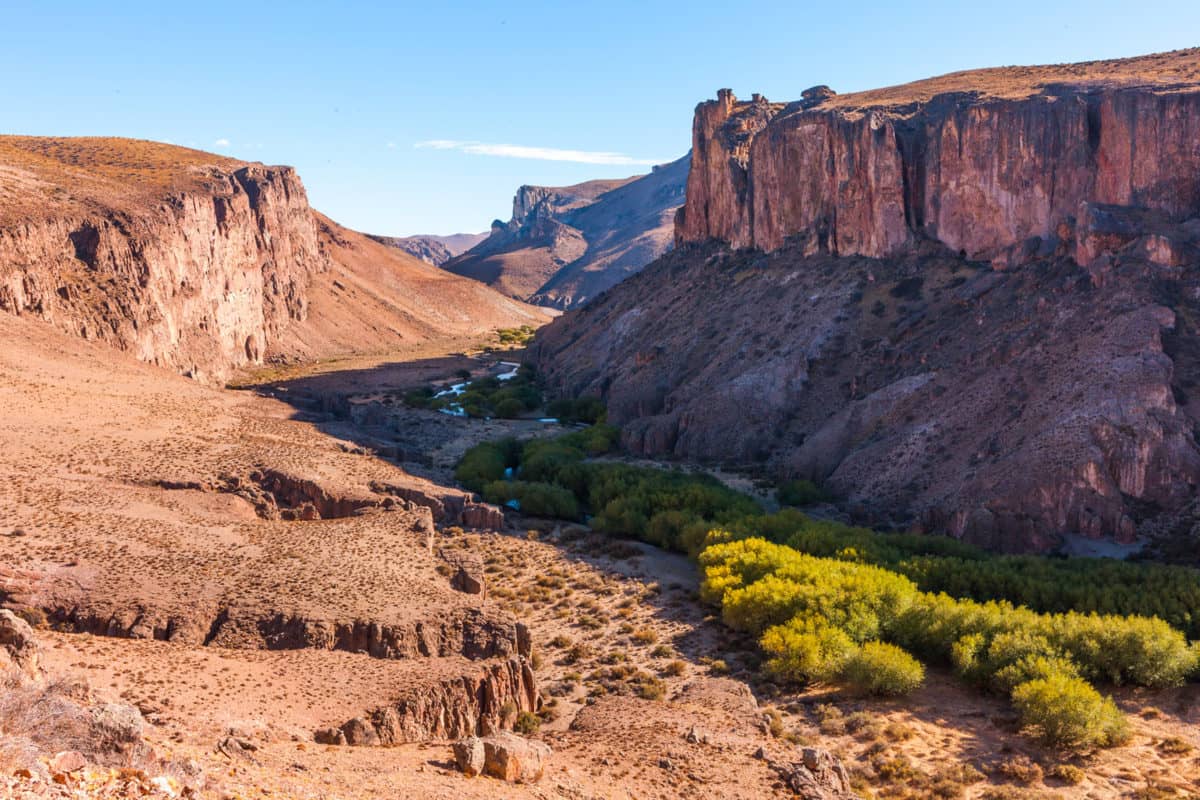
Wolffsohn's viscacha are endemic to the Patagonian region of Argentina and Chile – meaning they are found nowhere else in the world. They favor mountainous, arid environments, where they can take refuge in rock crevices and ledges. These rocky habitats offer viscacha shelter, camouflage, and a good vantage point to watch for predators.
Though quiet and often unseen, Wolffsohn's viscacha play a vital role in their ecosystem. As a herbivore, they feed on native grasses and shrubs, helping shape plant communities and prevent overgrowth. They are also an important food source for local predators, forming a key link in the Patagonian food web.
A Species in the Shadows
Wolffsohn's viscacha are officially classified as “Data Deficient” on the IUCN Red List , meaning they have not been studied extensively enough to determine their conservation status. Their rarity and the lack of scientific data make it difficult to assess population trends or potential threats at a broader scale.

However, localized risks, including habitat disturbance and hunting, do exist, underscoring the need for more research and monitoring to ensure this species doesn’t slip – or isn’t already heading – toward endangerment.
Wolffsohn's Viscacha in Patagonia Park
The Wolffsohn's viscacha is one of the 12 keystone species we work with in partnership with Rewilding Argentina in Patagonia Park, Argentina. The entire park is grounded in rewilding – a conservation strategy that seeks to restore ecosystems to full health and functionality. By reintroducing native species, removing invasive ones, and reviving degraded habitats, we are working to revive a vast stretch of Patagonian steppe once damaged by human activity and to reactivate its natural ecological cycles.
As part of this effort, more than 40 Wolffsohn’s viscachas have been translocated into and monitored within the park, where they've shown signs of successful reproduction and dispersal. Part of a broader project to better understand Patagonian species and their ecological roles, our work with the Wolffsohn’s viscacha is advancing scientific understanding of this little-known animal, the Patagonian steppe, and all the unique creatures that call it home.